How AI Cameras Detect Fire: The Tech Behind the TruEye System
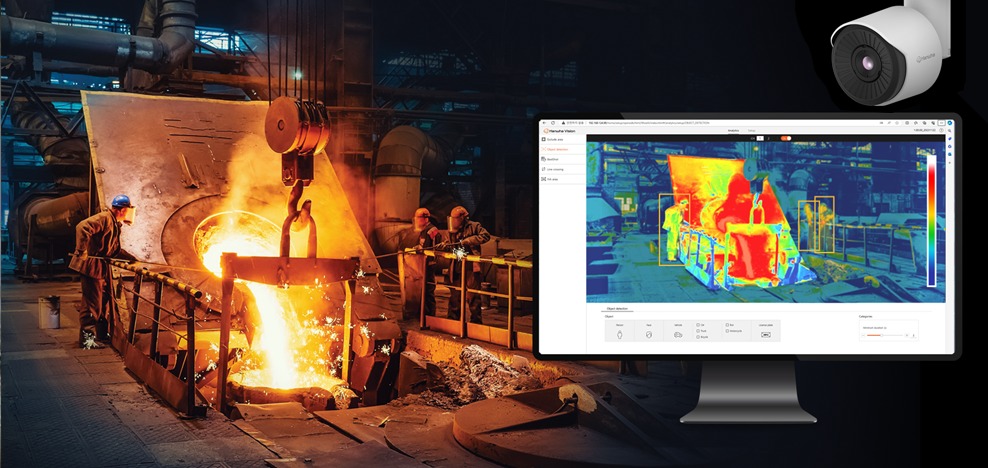
Have you ever wondered whether your alarms can sound the warning promptly? When every life counts, it seems a little risky relying on conventional sensors alone. Modern fire detection systems have begun employing smart cameras to recognise smoke, flames, and heat at the earliest. Read on to gain insight into the workings of this technology and understand its importance.
Rise of Smart Cameras in Fire Detection
In their classic form, fire alarms need heat or smoke to reach the sensor for the alarm to trip. Even a few seconds' delay in a fire could mean huge destruction to property and lives. The current solution pairs high-grade camera systems with CCTV video analytics to continuously monitor risky situations before they become realities. These systems deliver the speed of detection, pinpoint accuracy, and advanced early warnings unheard of with ageing detectors.
What Sets the TruEye System Apart?
This approach integrates visual and thermal imaging onto a single platform trained to discern real fire from benign events such as steam or dust.
The key advantages are:
- Detection of flame or smoke in an instant
- Integration with current camera infrastructures
- Low false alarm rates due to intelligent filtering
- Custom thresholds adaptable to different environments
Core Technology Behind Fire Detection Cameras
Computer Vision and Deep Learning
The system applies a camera to analyse every frame for smoke shapes, flickering flames, thermal spikes, or anything unusual. A neural network trained on thousands of images relies on this to make confident decisions in real time.
Visual and Thermal Data Fusion
Using visual and thermal together makes the data more accurate: thermal sensors detect heat only, while cameras detect motion and colour change. In tandem, they can negate false positives from anything like glare or machinery heat.
Real-Time Detection and Alert Systems
The ability to communicate real-time alerts is critical for fast responses. Once a fire is detected:
- Automated alerts are sent via SMS, email, and/or integrated systems
- Visual confirmation allows the team to gauge severity immediately
- The system logs the event for auditing purposes — time, camera ID, and image frames
This ensures nothing is missed, favouring faster responder action.
Training the Model and Continuous Improvement
Massive Image Dataset
The system is initially trained with thousands of fire and non-fire scenarios. A diverse dataset teaches it to ignore false triggers from smoke machines, reflected light, or dust clouds that might trigger standard sensors.
Ongoing Updates
The system is designed to learn over time. Every new type of fire helps refine the neural network logic, further reducing false alarms while improving the system's responsiveness.
Practical Use Cases in Real-World Scenarios
- Factories: Detect sparks or combustion before operations need to shut down
- Warehouses: Monitor large-scale areas where smoke or flame may first appear
- Data Centres: Guard against heat anomalies for sensitive equipment
- Outdoors: Forest or hillside monitoring with ruggedised variants
In all these environments, early detection contains fire risk before damage escalates.
Smart Infrastructure with Edge Integration
Smart cameras typically interface with building automation or industrial safety systems through CCTV video analytics platforms, sharing information with a cloud or edge compute architecture.
Benefits include:
- Local edge inference that provides alerts immediately, even while disconnected
- Cloud analytics that provide trend information and system updates
- Linking with sprinkler and access control systems for automated responses
Compliance, Reliability, and Standards Met
These smart systems conform to relevant safety standards such as NFPA and ISO fire safety guidelines. Every event is accompanied by images and recorded within seconds, and audit-ready records are maintained. This further cements transparency, supporting inspections for safety and adherence to standards.
How Is TruEye Different from Other Solutions?
In comparison with basic CCTV or a single-mode detector:
- Response is measured in seconds rather than minutes
- Alert noise is reduced, with fewer nuisance alerts
- Easy installation — use existing cameras with minimal setup
- Simple to operate and monitor
User dashboards offer visualisations of live feeds, alert history, and performance metrics in easy-to-understand formats.
Limitations and Layered Safety Strategy
Even the best cameras have limitations: heavy fog, dense smoke, or reflective glare. Therefore, a layered safety model offers better coverage — camera-based detection combined with traditional point sensors and staff protocols.
Implementation Steps for Businesses
Once site readiness checks out, the system goes into deployment:
- Place or upgrade cameras in strategic locations
- Ensure a blend of sensors — thermal and visual
- Configure alert thresholds and notification paths
- Train staff on alarm response and reviewing dashboards
The organisation gains greater situational awareness and faster response speed with minimal disruption.
End Comment
Smart, camera-fed fire detection systems are changing the landscape of safety. They detect smoke or flame quickly, reduce false alarms, and are easily integrated into existing infrastructure — providing preventive protection at scale when combined with CCTV video analytics. Early warning and fast alerts mean saving property and lives, and all of this makes a real difference.
Frequently Asked Questions
Q1. How much more accurate is this fire detection system compared to traditional sensors?
The smart camera system usually takes seconds to detect fire, much faster than heat or smoke sensors, with a much lower rate of false positives due to image analysis.
Q2. Can it detect fire in full darkness or poor lighting?
Yes. The system processes thermal and visual input together, facilitating detection even in low-light environments where traditional cameras or sensors may struggle.
Q3. Is the system suitable for outdoor environments like forests?
Yes. With rugged hardware and thermal imaging, it reliably monitors remote or outdoor locations for early signs of fire.
Q4. What is the delay time after detecting a fire?
Alerts happen immediately — detection, logging, and notification occur within seconds, with no human interpretation needed.
Q5. Does it require a continuous internet connection to operate?
No. Edge processing handles detection locally, so alerts can be issued regardless of internet connectivity. An internet connection is beneficial for broader cloud-based analytics but is not required for local monitoring.
See TruEye in action
Schedule a personalized demo with our video analytics experts.
TruEye Team
VertexPlus Technologies Limited