Exploring the Benefits and Limitations of AI-Enabled Surveillance Systems1
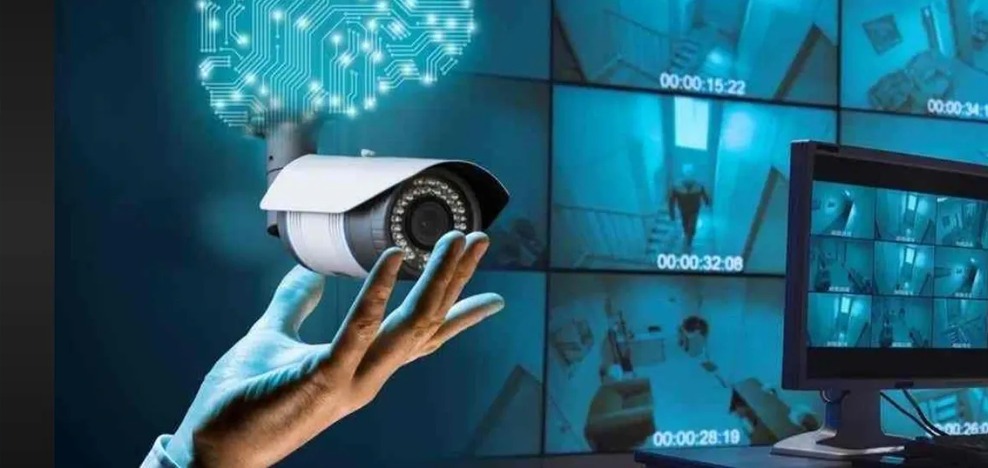
Does technology enhance the safety of our cities, or is there an unseen cost?
As we battle increasing security threats, the private sector and public authorities are looking towards Video Surveillance Analytics to address issues legacy systems fail to address. The speed and precision of these solutions are unmatched, but the issues of privacy, fairness, and cost that these solutions pose are equally unmatched. Continue reading to get a comprehensive understanding of the issues.
Understanding AI-Enabled Surveillance Systems
Surveillance systems based on AI aren't just for basic cameras. These systems take images and utilise advanced algorithms and machine learning models to normalise images when in dynamic environments and identify strange behaviours, recognise faces, and detect unattended objects. With machine learning and strong computation, the system changes from a passive system to an active one.
AI Surveillance Systems: Advantages and Applications
The benefits of AI surveillance systems have extended to various sectors and even public utilities. Among public safety benefits:
- Real-time surveillance and instant reporting of threats for quicker countermeasures.
- Advanced pattern detection has been improved to identify crimes and other irregularities.
- Better traffic management that decreases congestion and violations that are compliant.
- The overall goal is to reduce manual labour by automating repetitive processes.
This change allows security personnel to respond to serious issues instead of boring standard vigilance.
Enhancing Public Safety with AI
Public places are particularly vulnerable during large celebrations, crowd gatherings, and emergencies.
Such areas can be managed through AI systems as follows:
- Overcrowding control before critical levels are reached
- Quick identification of unattended luggage or suspicious behaviour
- Prompting the concerned authorities to take mitigation measures
All these functions enable the cities to be more prepared for unexpected situations as they safeguard the populace.
The Role of AI in Business and Private Security
The private and public sectors both have the advantage of advanced surveillance tools.
- Retail and hospitality sectors curb theft and enhance customer protection
- Corporate offices protect sensitive infrastructure and monitor access to restricted areas
- Detection of workplace hazards improves worker safety in other industries
With the growth of Video Analytics services, organisations can customise solutions for their premises, striking a balance between security and operational effectiveness.
Challenges of Using AI-Enabled Surveillance
While the benefits of surveillance, such as better security, are undeniably many, they include:
- The data required ensures the system's efficiency, and the data itself requires a lot of work, resulting in less effective data.
- Many organisations still find it costly to implement and maintain the systems.
- Eliminating human oversight is harmful in certain contexts, as human intervention is still needed in specific, delicate cases.
- There are still some areas where the precision evaluation of human insight is needed.
Hence, to manage the situation effectively, the challenges of surveillance technology must be reckoned with.
Privacy and Ethical Issues
Intelligent surveillance systems bring out privacy concerns. Even if the system intends to ensure safety, the general public is more concerned about safety:
- The threat of wide-scale surveillance that restricts civil liberties
- Lack of clarity on rules regarding the use and storage of collected data
- Opacity of algorithms that are used in decision-making
The mentioned systems can only be trusted if concrete rules are established and adhered to.
Future Outlook of AI in Surveillance
In the near future, we will see AI surveillance systems and IoT devices integrated into the smart city infrastructure. Predictive analytics can help authorities to spot issues before they become apparent, and global rules will ensure that the use of technology is ethical. The future promises a world where innovation and ethics can coexist peacefully.
Conclusion
AI-powered surveillance offers both a thrilling opportunity and complicated challenges. Video Surveillance Analytics can improve safety as well as efficiency and proactive monitoring, but the cost, bias and privacy issues require special attention. When using trustworthy video analytics solutions for their city or organisation, they are able to find a balance in which security and trust are able to coexist in the perfect way.
FAQs
Q1. How does AI-enabled security differ from traditional CCTV surveillance systems?
AI surveillance continuously examines data in real-time with instant notifications and prompt actions. This helps to make monitoring more efficient by eliminating the need for manual review.
Q2. Are AI surveillance systems cost-effective for small businesses?
AI-enabled surveillance systems for small businesses can create cost savings over time, although the investment is often high initially. Ultimately, the savings from theft prevention, the efficiencies in operations, and the improved safety benefits far outweigh the cost over time.
Q3. Does AI in surveillance infringe on privacy?
While there could be legitimate privacy concerns with massive surveillance, appropriate regulations with transparency and a limited amount of data usage can guarantee security without compromising personal privacy.
Q4. Can AI take over human security staff completely?
No. Human judgement is needed for the long haul. AI tools should only be used as a support system that works with humans for ordinary monitoring while humans make sensitive or complex decisions.
See TruEye in action
Schedule a personalized demo with our video analytics experts.
TruEye Team
VertexPlus Technologies Limited