Vehicle Speed Monitoring Technology: What You Need to Know in 2025
What Is Vehicle Speed Monitoring Technology?
Vehicle speed monitoring refers to systems created to detect, track, and record vehicle speeds using automated technologies. Such solutions deliver real-time data for speed limit enforcement, road safety improvement, and traffic flow control.
Its core components usually include:
- Radar or LIDAR sensors
- High-definition surveillance cameras
- GPS-based tracking units
- Embedded software for analytics and alerts
This technology can be used by law enforcement agencies, city planners, or commercial fleets to monitor speed accurately and respond quickly to violations.
The Core Technologies Used in 2025
In 2025, vehicle speed monitoring has become smarter, quicker, and more connected through developments in a few key areas:
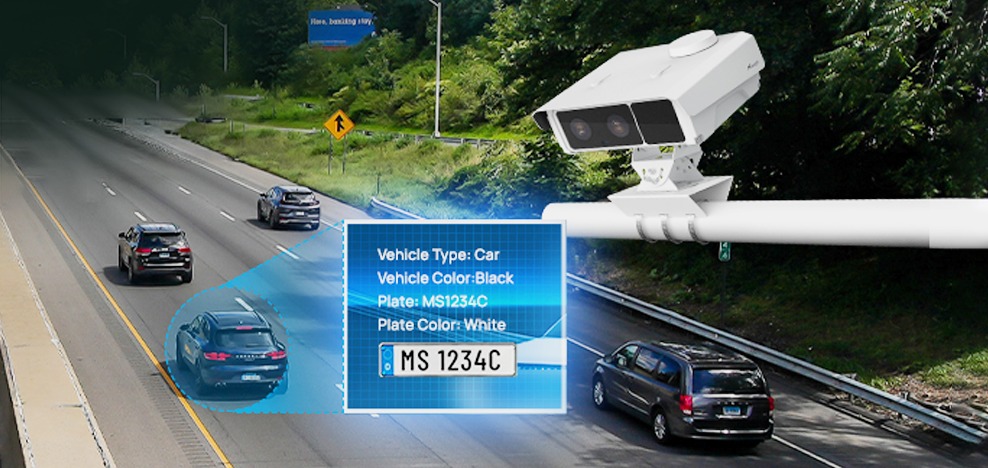
- AI-based video analytics: Determine a vehicle's speed, identify its plate number, and detect risky driving behaviour.
- Radar and LIDAR devices: Accurate to within a mile per hour and effective under low visibility conditions.
- GPS-based telematics devices: Provide fleet vehicles with real speeds, operating history, and driving habits.
- Smart cameras: Report speed data and sync it into dashboards and mobile apps.
Together, these systems provide a single source of truth for real-time monitoring and automated enforcement of speed limits.
What Are the Advantages of Speed Monitoring Systems?
Speed monitoring systems provide benefits when used in public or private spaces, including:
- Accident Reduction: Speed is the largest contributing factor to road accidents, and it can be flagged before risk escalates.
- Stronger Law Enforcement: Automation reduces manual ticketing and patrol effort.
- Traffic Monitoring: Improves signal timing and road design.
- Fleet Safety: Helps organisations prove drivers are operating within speed limits.
- Legal Evidence: Speed detections can provide verifiable evidence in dispute resolution and court.
Vehicle speed monitoring is not just about slowing vehicles down — it's about compliance and enabling safer, smarter mobility.
Applications Across Sectors
By 2025, these systems are deployed across many sectors:
- Public Roads: Speed limit enforcement, red-light violations, general traffic patterns
- Logistics and Delivery Fleets: Driver monitoring, reducing at-fault accidents
- Residential Communities and Campuses: Pedestrian safety
- Private Parking Lots and Industrial Areas: Reducing speeding in dangerous areas
All sectors benefit from increased oversight and reduced liability.
Legal & Privacy Considerations
While the technology is powerful, it must be deployed responsibly.
Some considerations:
- Data Protection Laws: Speed data must be securely stored and used responsibly.
- Transparency: Signage informing the public that they are being monitored.
- Data Retention: How long is speed-related data kept, and who can access it?
- Consent and Legal Usage: In private areas, full permission or approval may be required.
Solution providers must ensure their video analytics systems conform to local laws and policies.
Trends and Innovations in 2025
Speed monitoring systems in 2025 are smarter and more predictive than ever:
- AI + Machine Learning: Predict future violations based on past patterns
- Edge Computing: Eliminates latency by processing data on-site
- Cloud Integration: Dashboards for administrators to coordinate multi-department access
- Eco-Friendly Solutions: Low-energy equipment and solar-powered options
- Smart Response Alerts: Notifications sent directly to law enforcement or fleet managers when thresholds are exceeded
This technology improves vehicle speed monitoring while being less invasive.
Challenges in Implementation
Implementing these systems isn't always straightforward:
- Up-Front Costs: New hardware can be expensive, particularly when deploying across large regions.
- Maintaining Equipment: Hardware needs ongoing recalibration and servicing.
- Public Acceptance: Some people may view these solutions as intrusive.
- Accuracy: Settings need to be configured to reduce weather interference or reflections that might misread speed.
Working with established video analytics companies helps alleviate most of these challenges.
Choosing the Right Solution Provider
If you're investing in speed monitoring, selecting the right partner is essential. Important factors include:
- Accuracy and Reliability: A proven track record with accurate analytics
- Bespoke Solutions: Tailored to your environment and needs
- Scalability: Easy to expand across regions or vehicles
- Local Support: For easy service and upgrades
- Compliance and Integration: Meets local laws and works with existing systems
Companies focused on vehicle speed monitoring provide a complete package alongside advanced video analytics software.
In Closing
The roads of 2025 require more than traditional enforcement. Vehicle speed monitoring technology provides a smarter, more efficient way to save lives, reduce risk, and manage traffic. Real-time monitoring solutions utilise the latest video analytics software to deliver up-to-the-minute data, helping everyone from municipalities to fleet operators. It's important to pick the right tools — and to use them responsibly.
See TruEye in action
Schedule a personalized demo with our video analytics experts.
TruEye Team
VertexPlus Technologies Limited